


The Complete Guide to Wedding Veil Lengths: Finding Your Perfect Fit
- Velo Bridal
- Jul 30
- 3 min read
Choosing a veil length is one of the most personal decisions a bride will make, and it can completely change the way your bridal look comes together. Length affects everything from how the veil photographs to how easy it is to move, dance, and enjoy your day. Below we break down the five most popular veil lengths, along with the pros and cons of each, to help you decide which one suits your gown, venue, and style.

Royal Length (500cm)

The royal length veil is the most dramatic and show-stopping option available. Sweeping an impressive 500cm from the head, it trails far beyond the dress and is often associated with grand cathedral weddings and formal, black-tie affairs. These veils are less popular due to their scale.
Pros:
Creates a jaw-dropping, editorial entrance
Photographs beautifully in wide venues with long aisles
Adds a sense of occasion and grandeur that few other accessories can match
Cons:
Requires assistance to manage during the ceremony, especially when walking or turning
Not practical for outdoor, beach, or intimate venues with limited space
Can be heavy and may need a bustle or an attendant to lift it for the reception
Cathedral Length (300cm) - Our most Popular style

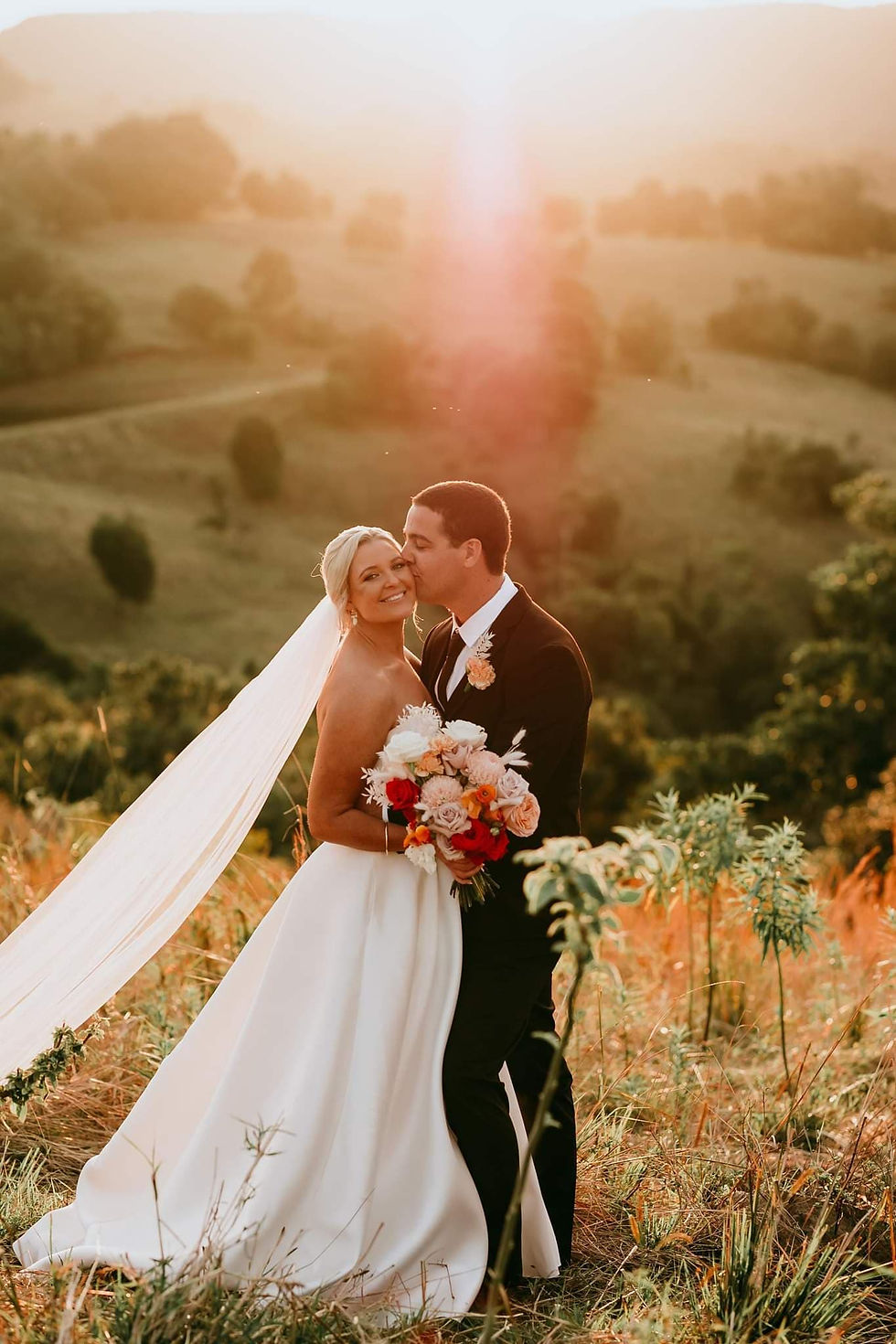
At 300cm, the cathedral veil is the classic choice for traditional church weddings. It extends well past the train of most gowns, creating an elegant, flowing silhouette without quite the scale and upkeep of a royal length veil.
Pros:
Timeless and elegant, suited to formal and traditional ceremonies
Long enough to create stunning aisle photos without being unmanageable
Works beautifully with cathedral or chapel train gowns
Cons:
Still requires some care when moving through doorways or tight spaces
May need to be removed or bustled for the reception
Less suited to casual settings
Chapel Length (200cm)

The chapel length veil sits at 200cm and is a popular middle ground for brides who want elegance without the bulk of a longer train. It typically just brushes the floor or extends slightly beyond the gown's hem.
Pros:
Elegant and versatile, suitable for both church a
nd semi-formal venues
Easier to manage than cathedral or royal lengths
Complements most gown styles without overwhelming them
Cons:
Still long enough to require some care while walking or sitting
May not photograph with quite the same drama as a cathedral veil
Fingertip Length (100cm)

As the name suggests, a fingertip veil falls to roughly where your fingertips rest when your arms are down by your sides, around 100cm. It is one of the most versatile lengths, suiting a wide range of gowns and venues.
Pros:
Extremely versatile, works for formal, semi-formal, and casual weddings
Easy to move, dance, and sit in without assistance
Flattering on most body types and gown silhouettes
Great option for both ceremony and reception wear
Cons:
Lacks the dramatic sweep of longer veils
May feel too simple for brides wanting a grand, formal statement
Elbow Length (75cm)

The elbow length veil sits at approximately 75cm, ending around the elbow. It is a shorter, more relaxed option that has grown in popularity for vintage-inspired and outdoor weddings.
Pros:
Lightweight and easy to wear all day
Ideal for outdoor, beach, or rustic weddings where practicality matters
Pairs beautifully with vintage or retro-inspired gowns
Simple to remove for the reception if desired
Cons:
Less formal, so may not suit traditional church or cathedral ceremonies
Offers less visual impact in photos taken from a distance
Choosing a Custom Length
If none of these standard lengths feel quite right for your dress or venue, there are options. Some brides find that their ideal veil length falls somewhere between the standard measurements, or needs to be tailored precisely to their gown.
A common and practical solution is to purchase a longer veil and have it altered down to your desired length by a seamstress. This option is available on a large amount of our range, with the exclusion of any lace or silk edged veils. This approach gives you far more flexibility than starting with a shorter veil, since length can always be taken up but cannot be added back once cut. It also means you can try the veil at its full length during fittings and make the final call once you have seen exactly how it falls with your dress.
If you are unsure which length to choose, we are always happy to help you find the perfect veil for your big day.

Comments